 Reviews

 Proudly American
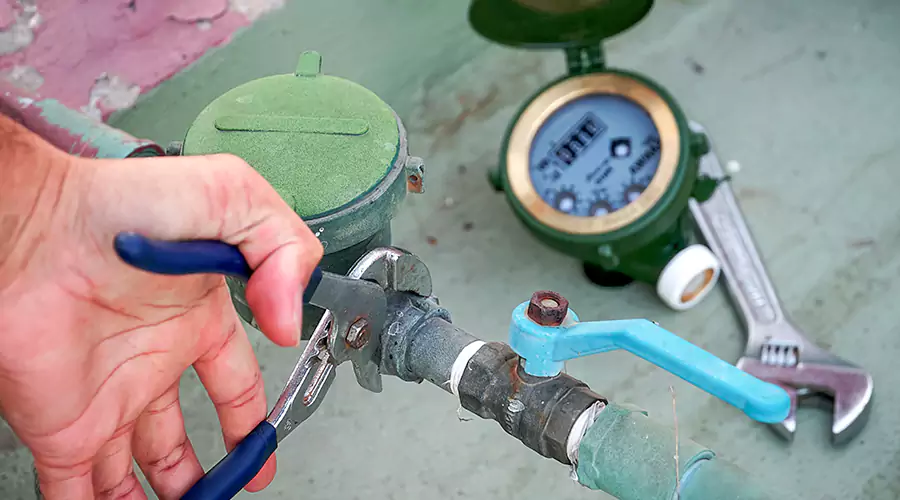
When you need to stop water quickly, whether it’s for a leaking faucet, a plumbing repair, or a full-home emergency, the type of water shutoff valve you have matters a lot. Some valves are built for fast action and reliability, while others are more common in older homes and can become difficult to turn over time.
In this guide, you’ll learn the main types of water shutoff valves, where they’re typically used, and how to choose the right one for your home plumbing system.
Why Choosing the Right Shutoff Valve Matters?
A shutoff valve isn’t just a small plumbing part, it’s your first line of defense against water damage. The right valve can:
- Stop water instantly during leaks
- Make repairs easier and safer
- Reduce the risk of valve failure or sticking
- Improve long-term reliability for appliances and fixtures
If you’re upgrading plumbing or replacing an old valve, choosing the correct type can save you money and stress later.
Common Types of Water Shutoff Valves
There are several valve styles used in household plumbing. Each works differently and fits specific use cases.
1) Ball Valve (Best Overall for Most Homes)
A ball valve uses a rotating ball inside the valve body to stop or allow water flow. It’s one of the most reliable options and is now standard in many modern plumbing systems.
How it works: A lever handle rotates 90° (quarter turn).
- Handle parallel to the pipe = ON
- Handle perpendicular to the pipe = OFF
Pros
- Very reliable and durable
- Quick shutoff (quarter-turn)
- Less likely to stick over time
- Great for main shutoffs and branch lines
Cons
- Slightly more expensive than some older valve types
Best for: Main water shutoff, water heater shutoff, whole-house and high-use applications.
2) Gate Valve (Common in Older Homes)
A gate valve uses a rising or internal “gate” that moves up and down when you turn a wheel handle. These were widely installed in older homes but are less preferred today.
How it works: Turn the wheel multiple times to open/close.
Pros
- Common and widely available
- Works fine when maintained and not corroded
Cons
- Can seize or corrode over time
- Not ideal for quick emergencies
- Gate can wear out and stop sealing fully
Best for: Older plumbing systems (existing installations), but often replaced during upgrades.
3) Globe Valve (Good for Throttling, Not Best for Shutoff)
A globe valve is designed to regulate flow more than fully shut it off repeatedly. It has a disc that presses against a seat to control water flow, and it can play a role in water leak detection by helping identify pressure drops or leaks.
Pros
- Great for controlling and adjusting flow
- Durable in applications where partial flow control is needed
Cons
- More pressure drop than other valves
- Not as fast or easy as ball valves for emergency shutoff
Best for: Flow regulation (less common for modern residential shutoff needs).
4) Angle Stop Valve (Under Sinks and Toilets)
An angle stop valve is a shutoff valve at a 90-degree angle. You’ll see these under sinks and behind toilets.
Pros
- Compact and perfect for tight spaces
- Allows fixture-level shutoff without affecting the whole house
Cons
- Can develop leaks if old or poor quality
- Some multi-turn types can stick
Best for: Toilets, bathroom sinks, kitchen sinks.
5) Straight Stop Valve (Fixture Shutoff in a Straight Line)
A straight stop valve is similar to an angle stop but aligned straight with the supply line.
Pros
- Simple and effective
- Works well when plumbing comes up through the floor
Cons
- Same concerns as angle stops if using multi-turn models
Best for: Fixture shutoff where supply line is straight.
6) Compression Stop Valve (Easy Replacement Without Soldering)
Compression valves use a compression nut and ring (ferrule) to seal around copper pipe.
Pros
- Easier install for DIYers
- No soldering required
- Widely used for fixture shutoffs
Cons
- Must be tightened correctly to prevent leaks
- Not best for high-vibration or harsh conditions
Best for: Toilets and sinks, copper supply lines.
7) Push-Fit (SharkBite-Style) Shutoff Valve (Fast Install)
Push-fit valves are modern options that simply push onto copper, PEX, or CPVC (with proper compatibility).
Pros
- Very fast installation
- No special tools (beyond pipe cutter and deburring tool)
- Great for quick repairs
Cons
- Higher cost
- Must be installed correctly on clean, properly cut pipe
- Some plumbers prefer traditional fittings for long-term permanent installs
Best for: Repairs, upgrades, places where soldering is difficult.
8) Check Valve (One-Way Valve, Not a Shutoff)
A check valve allows water to flow in only one direction, preventing backflow. It’s not a shutoff valve, but people often confuse it with one.
Best for: Backflow prevention, sump pump discharge lines, some irrigation systems.
How to Choose the Right Water Shutoff Valve?
Choosing the best valve depends on where it’s used, your pipe material, and how often you’ll need to turn it off.
1) Choose Based on Location
- Main water shutoff: Ball valve is usually best for reliability and quick operation.
- Water heater shutoff: Ball valve (especially for frequent use).
- Toilets and sinks: Angle stop or straight stop, preferably quarter-turn.
- Appliances (dishwasher, washing machine): Quarter-turn shutoff valves for quick control.
2) Pick Quarter-Turn vs. Multi-Turn
- Quarter-turn valves (ball-style) are easier, faster, and more reliable for emergencies.
- Multi-turn valves (gate or globe-style) can work but are more likely to stick over time.
Tip: For fixture shutoffs, pick quarter-turn angle stops whenever possible.
3) Match the Valve to Your Pipe Type
Different valves fit different materials:
- Copper: soldered or compression valves
- PEX: crimp, clamp, or push-fit valves
- CPVC: solvent-weld (glued) or push-fit (if compatible)
- Galvanized steel: threaded valves (often requires a plumber due to corrosion)
If you’re unsure, bring a photo of your existing setup to a hardware store, or consult a plumber.
4) Focus on Quality, Not Just Price
A cheap valve can fail at the worst time. Look for:
- Solid brass construction
- Smooth handle operation
- Reputable brands and good reviews
- Certifications (common ones include NSF/ANSI for potable water components)
5) Consider Accessibility and Emergency Use
If a valve is hard to reach, you’ll want one that shuts off quickly:
- Quarter-turn lever handles are ideal
- Avoid installing valves where the handle can’t rotate fully
Quick Buying Checklist
Before you buy a shutoff valve, confirm:
- Pipe size (commonly 1/2", 3/4", or 1")
- Pipe material (copper, PEX, CPVC, etc.)
- Installation method needed (solder, compression, threaded, push-fit)
- Valve type (ball, angle stop, etc.)
- Quarter-turn preferred for most uses
Conclusion
For most homeowners, ball valves and quarter-turn stop valves are the top choices because they’re fast, dependable, and less likely to seize. Gate valves still exist in older plumbing, but if you’re upgrading, switching to a quality ball valve is usually the smartest move.